
Visiting Texas as a Senior: Tips for Comfortable Travel
Texas can be a rewarding destination for senior travelers because it offers a wide range of experiences, from major museums and historic districts to scenic drives, small towns, and accessible parks. It also has no state income tax, which can appeal to retirees, although property taxes and sales taxes can still be meaningful costs for residents. The biggest challenge is scale. Texas is large, and distances between cities can be longer than many visitors expect. A comfortable trip usually works best when you stay in a few well-connected areas, keep daily plans manageable, and choose lodging with the accessibility features you actually need.
What Makes Texas Different for Senior Travel
Texas stands out because it combines big-city amenities with a broad range of regional experiences. You can spend one trip focusing on museums and medical access in Houston or Dallas, or build a slower itinerary around San Antonio, the Hill Country, and smaller historic communities. It also helps that Texas offers strong medical infrastructure in its largest cities. In Houston, Texas Medical Center describes itself as the largest medical complex in the world, which can provide peace of mind for travelers who prefer to stay near major healthcare systems. At the same time, Texas is not uniformly convenient. The state’s size means travel days can be long, and specialist access becomes thinner in many rural areas. A 2024 study found a significant shortage of cardiologists across 196 of Texas’s 254 counties when using a 50-mile travel threshold, which is a useful reminder to be more deliberate when planning trips outside the major metro areas.
Choosing the Right Region for Your Travel Style
View this post on Instagram
Texas is diverse, and choosing the right region can make your trip far more comfortable and enjoyable. For travelers who prefer easy access to healthcare, museums, and walkable attractions, major cities like Houston, Dallas, San Antonio, and Austin are the most convenient. These areas offer large medical centers, accessible transportation, and a high concentration of cultural sites. The Texas Hill Country, located between Austin and San Antonio, is ideal for scenic drives, small towns, wineries, and relaxed pacing. Destinations like Fredericksburg and Wimberley allow for shorter travel days and quieter surroundings. For winter travel, the Texas Gulf Coast—including areas like Corpus Christi and Galveston—offers milder temperatures and coastal views, though humidity is higher and weather can change quickly. West Texas destinations such as Big Bend are visually stunning but require longer drives and more preparation, making them better suited for travelers comfortable with remote conditions.
When to Visit Texas for the Most Comfortable Trip
For many seniors, spring and fall are the easiest times to visit. These seasons generally offer more comfortable temperatures for walking tours, museum hopping, river cruises, and scenic drives than the height of summer. Summer trips are still possible, but they require more planning. In much of Texas, intense heat can make long afternoons outdoors tiring, especially in places like San Antonio, Austin, and much of inland Texas. Coastal travel also requires extra attention during Atlantic hurricane season, which officially runs from June 1 through November 30. Winter can be a good option for travelers who want lighter crowds, especially in South Texas and the larger cities. North Texas can still get sharp cold fronts, so layered clothing is helpful even when the forecast looks mild.
Healthcare Access and Safety Resources Across Texas
If healthcare access is a priority, it makes sense to base most of your trip in or near larger cities such as Houston, Dallas, Austin, or San Antonio. These cities offer the broadest range of hospitals, specialists, pharmacies, and transportation options. If you plan to spend time in rural Texas, it is smart to know where the nearest hospital or urgent care center is before you arrive. Keep medications in your carry-on or day bag, bring a written medication list, and save emergency contacts in both your phone and on paper. Nature-focused travel can still work well. The Texas Parks and Wildlife Department notes that many Texas state parks have at least some accessible features, including restrooms, campsites, trails, and visitor centers. That makes scenic outdoor stops more realistic for travelers who want fresh air without difficult terrain.
Flying In or Driving Through: How Seniors Get Around Texas
Texas works best when you choose transportation based on your pace and priorities. Flying into a major city is usually the easiest choice if you want to minimize long travel days. Dallas-Fort Worth, Houston, Austin, and San Antonio all have large airports and strong hotel inventories. That setup works especially well if your trip is centered on one metro area. Driving offers more freedom, but it also demands more stamina. Texas road trips can be enjoyable when built around shorter regional loops rather than very long one-day drives. Staying several nights in one place is often more comfortable than changing hotels every day. If mobility is a concern, rideshare services, hotel shuttles, and centrally located hotels can reduce the amount of walking and parking stress. In older downtown areas, that can make a noticeable difference.
Where to Stay for a More Comfortable Trip
View this post on Instagram
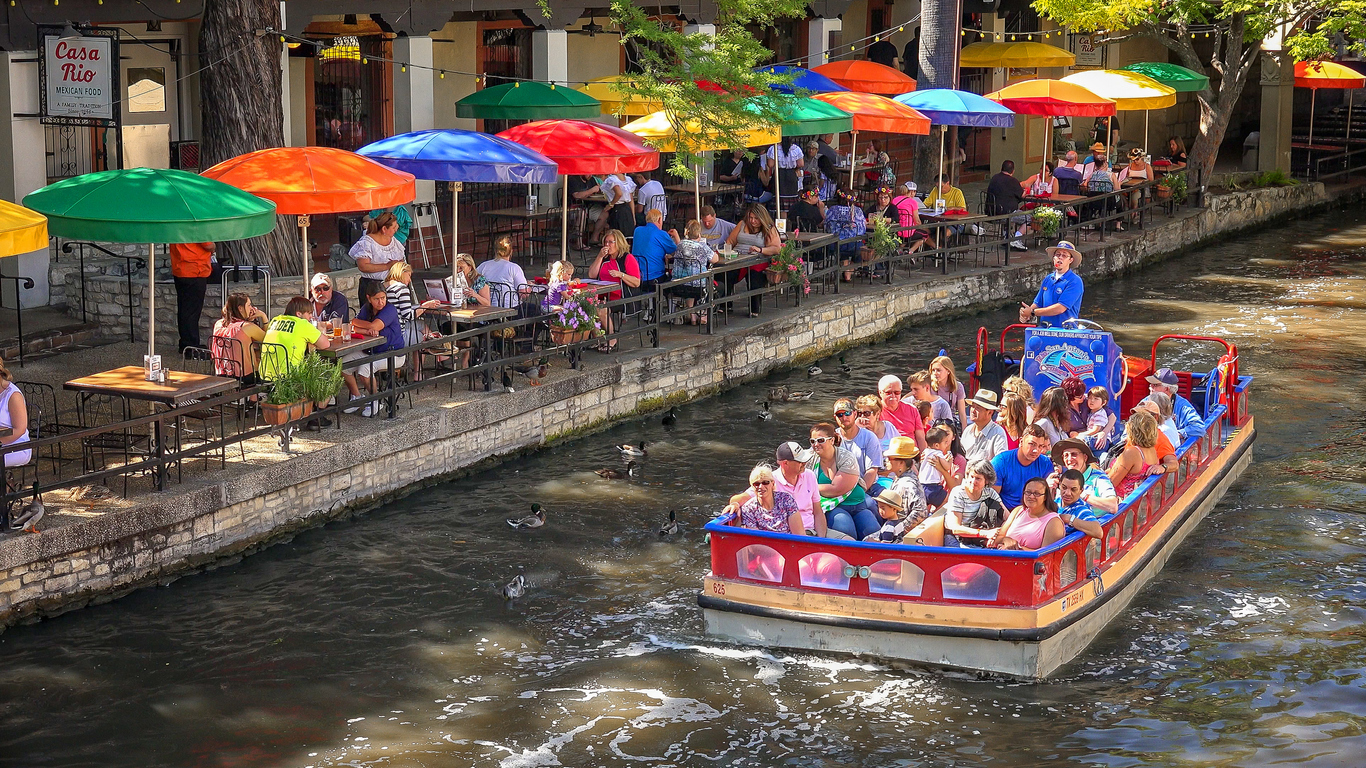
For senior travelers, the best lodging choice is usually a centrally located hotel with verified accessibility features, rather than the cheapest room on the edge of town. In Dallas, consider staying near the Arts District or Uptown, where you’ll be close to the Dallas Museum of Art, Nasher Sculpture Center, and Klyde Warren Park, with walkable streets and easy access to dining. In Houston, the Museum District and Texas Medical Center area provide convenient access to the Houston Museum of Natural Science, Museum of Fine Arts, and Hermann Park, along with some of the best healthcare facilities in the country. In San Antonio, hotels near the River Walk and Alamo area allow for flat, pedestrian-friendly exploration with nearby restaurants, boat tours, and historic sites. In Austin, look around Downtown or near Lady Bird Lake, where you can enjoy scenic walking paths, cultural attractions, and easy transportation options. When booking, confirm details that matter to you specifically, such as roll-in showers, elevator access, grab bars, step-free entry, on-site dining, and convenient parking. Many major hotel brands in these areas offer ADA-compliant rooms, but availability varies by property. If your trip includes outdoor attractions like Fredericksburg in the Hill Country, Big Bend National Park, or Waco’s Magnolia Market and riverfront, consider staying in a comfortable base city such as San Antonio, Austin, or Dallas, and taking shorter day trips rather than moving between multiple rural lodgings. This approach reduces packing, driving fatigue, and check-in logistics while keeping your trip more relaxed and manageable.
Historical Sites, Museums, and Nature Spots Seniors Often Enjoy
Texas has no shortage of places that are rewarding without being exhausting. Senior travelers often enjoy destinations that combine strong interpretation, easy navigation, and places to sit, rest, and pace themselves. In San Antonio, the Alamo, the River Walk, and the San Antonio Missions work well because they offer history, walkable sections, and dining options close together. In Houston, the Museum District gives visitors access to multiple major museums in one area. In Dallas, the Dallas Museum of Art and other downtown cultural sites can be paired with shorter outings and convenient meals nearby. For travelers who want more nature, accessible state park features, scenic overlooks, and Hill Country drives can offer a gentler way to experience Texas outdoors. Texas Parks and Wildlife specifically notes accessible features across many parks, which makes that part of the state’s travel appeal broader than many visitors assume.
Stretching Your Budget Without Overdoing the Schedule
Texas can be manageable for seniors on a budget, but the biggest savings often come from trip structure, not just discounts. A slower itinerary usually costs less because it reduces fuel, parking, and last-minute booking decisions. Staying in one area for several nights also gives you more flexibility to rest when needed. Many attractions, museums, movie theaters, and community events do offer senior pricing, but those discounts vary by venue. It is worth checking directly before you go rather than assuming a discount will be available everywhere. Because Texas has no state income tax, some retirees see the state as financially appealing, but it is important to remember that savings in one area can be offset by other costs, including property taxes and sales taxes.
How to Pace a Texas Trip Without Exhaustion
The most comfortable Texas trips are usually the ones with one main activity per day. That does not mean doing very little. It means choosing one anchor experience, such as a museum, historic district, river cruise, or scenic drive, and then building the rest of the day around meals, short walks, or a relaxed second stop. This approach works especially well in Texas because distances and weather can wear people down faster than expected. Leaving room for rest in the afternoon, keeping water with you, and favoring shaded or indoor attractions during hotter parts of the day can make the trip much more enjoyable.
Senior-Focused Food Tours, Cultural Programs, and Learning Experiences
Texas is especially good for travelers who enjoy learning-based travel. Museums, guided tours, historic sites, botanical gardens, and cultural centers often provide more value than high-speed sightseeing because they let you engage at your own pace. Food can be part of that as well. Instead of building a trip around ambitious restaurant hopping, many senior travelers may prefer one food tour, one market visit, or a lunch tied to a historic district or museum day. That kind of slower structure often gives you a better experience of Texas than rushing between too many highlights.