Independent Living: 7 Tips to Slash Bathroom Falls by 50%
Bathrooms may be the smallest rooms in most homes, but they’re among the most dangerous. Wet floors, slippery surfaces, and awkward layouts make the bathroom a common site for serious injuries—especially for older adults and those with limited mobility. According to the CDC, roughly 80% of home falls occur in the bathroom, many leading to long-term complications.
The good news is that bathroom falls are largely preventable. By strategically improving design, equipment, and habits, homeowners can significantly reduce their risk of accidents. Here are simple, proven ways to cut bathroom falls by 50%—without losing comfort or style.
1. Start with Slip-Resistant Surfaces
Slick flooring is among the leading causes of bathroom injuries. Choosing slip-resistant materials and adding textured elements can dramatically reduce hazards.
Upgrade your flooring:
If you’re renovating, opt for tiles rated with a high coefficient of friction (COF). Porcelain or stone tiles with a matte finish or anti-slip texture are safer alternatives to glossy or polished styles. Even modest flooring improvements can improve traction.
Lay down anti-slip mats:
Place non-slip mats on both the inside and outside of the shower or tub. Look for mats with suction cups or textured undersides to prevent shifting. Avoid fabric rugs that curl or slide—they create tripping hazards, especially when damp.
Clean regularly:
Soap residue and hard water buildup can create an invisible slick on surfaces. Regular cleaning with a mild non-slip cleaner prevents buildup and restores proper traction.
2. Improve Lighting and Visibility
Many falls occur because users can’t see obstacles clearly. Adequate lighting, both during the day and at night, ensures safer movement within the space.
● Increase ambient light: Use bright, evenly distributed overhead lighting. LED fixtures provide clean, energy-efficient illumination, eliminating harsh shadows.
● Add night lighting: Motion-sensor or low-level LED nightlights help guide family members to the bathroom safely after dark without needing to flip a switch.
● Use contrasting colors: Visual contrast between walls, floors, and fixtures helps those with limited vision identify edges and transitions more clearly, reducing missteps.
Good lighting doesn’t just prevent accidents—it creates a more welcoming, accessible environment for everyone.
3. Install Grab Bars for Support
Grab bars are among the simplest and most affordable safety upgrades you can install, yet they provide immense stability when moving in and out of showers, tubs, or near toilets.
Placement tips:
● Shower and tub entry: Install bars both vertically (for balance when entering) and horizontally (for support while bathing).
● Beside the toilet: A vertical or angled grab bar can help users stand more easily and regain balance.
● Entryway and walls: Strategic positioning near doorways or narrow spaces provides reliable support during transitions.
Always attach grab bars to wall studs, not just to tile or drywall, to ensure they are weight-bearing. Choose models with textured grips for added control.
4. Make Daily Tasks Accessible
Small functional improvements can minimize awkward movements and strain—two hidden causes of falls.
● Adjust storage heights: Keep toiletries and daily essentials within arm’s reach. Avoid storing heavy or commonly used items in low cabinets or high shelves.
● Use lever-style handles: Replace knobs with lever handles on doors, faucets, and showers. These are easier for seniors and those with arthritis to operate.
● Install a handheld showerhead: It allows seated use and directional control, reducing the need for repositioning during bathing.
Accessibility doesn’t require an expensive remodel; it’s often about reducing unnecessary reach and movement.
5. Consider a Tub Conversion or Walk-In Upgrade
Traditional bathtubs often pose the highest risk due to high step-over edges and slippery interiors. Converting your tub into a walk-in shower or low-entry bath transforms accessibility.
Homeowners can install a tub conversion kit for bathroom safety, which modifies existing tubs by lowering their sides or adding watertight doors. These kits provide safe, easy access without the cost of complete remodeling, making them ideal for seniors or households with varying mobility needs.
If the budget allows, consider a professional walk-in shower installation. Modern designs pair sleek aesthetics with secure, leveled flooring and integrated seating—proving safety can look as good as it functions.
6. Implement a “Dry Floor Policy”
Moisture is unavoidable in bathrooms, but how you manage it determines safety.
● Wipe up water spills immediately: Keep an absorbent towel or microfiber mop nearby for quick cleanup.
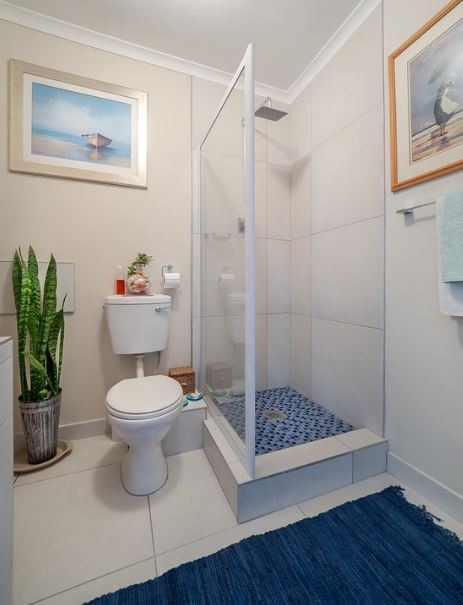
● Use shower curtains or glass enclosures: Properly installed barriers prevent overspray from accumulating on walkways.
● Ventilate properly: Ensure good airflow through an exhaust fan or open window to help floors and surfaces dry quickly.
The less water left standing, the lower your odds of slipping.
7. Encourage Safe Routines and Awareness
Even with functional improvements, awareness remains crucial. For families with seniors, children, or anyone recovering from injury, establishing bathroom safety routines is key.
● Remind users to move slowly: Encourage taking time when entering or exiting showers or tubs.
● Regularly review equipment: Tighten grab bars, replace worn mats, and check for trip hazards monthly.
● Wear proper footwear: Non-slip sandals or shower-safe shoes add an extra layer of traction for aging adults.
Promoting mindfulness ensures every user treats the bathroom as a space of caution rather than complacency.
A Safer Bathroom for Every Age
Preventing bathroom falls doesn’t mean spending thousands or sacrificing design. With a few smart upgrades—better lighting, improved grip, accessible layouts, and safer bathing systems—you can reduce injury risk by half or more.
By combining thoughtful products with consistent safety habits, homeowners create bathrooms that prioritize comfort, confidence, and peace of mind for everyone who steps inside.
Because safety isn’t just a renovation—it’s an investment in your family’s daily well-being.